Building a Scalable Foundation for GotPhoto
GotPhoto operates a B2B2C platform where photographers manage their workflows in an Admin Area and sell photos to end customers through a dedicated Shop.
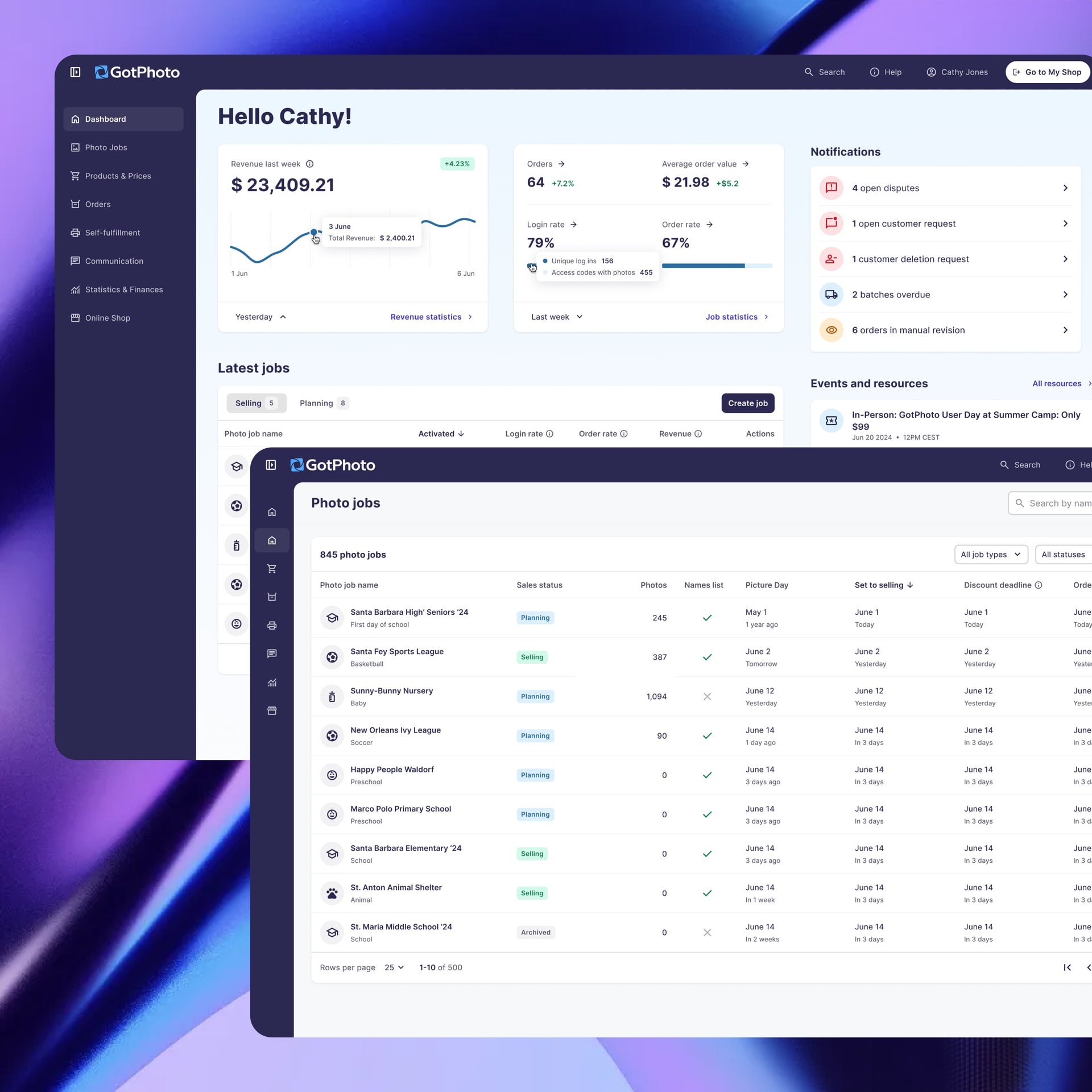
Rapid product growth had turned the Admin Area into a powerful but increasingly hard-to-navigate system.
Context
Rapid product growth had turned the Admin Area into a powerful but increasingly hard-to-navigate system. Over time, more than 200 individual pages evolved without shared structural logic, creating usability debt that could not be resolved through isolated redesigns.
A full redesign in a single iteration was neither feasible nor sustainable. Improving usability required a systemic, incremental approach that would not disrupt active customers.
Impact
This initiative focused on improving usability at scale by redesigning the platform's outer shell — navigation, information architecture, and design language — creating measurable short-term impact while laying the foundation for long-term UX improvements.
Customer Satisfaction (CS)
Improved from ~3.5 to ~3.8, with a long-term target of >4.0 as deeper page-level improvements roll out
Adoption
~90% organic adoption of the new navigation and structural patterns across active users
Cognitive Load
Improved orientation and wayfinding through clearer navigation, information architecture, and layouts
Scalability
Established a structural foundation enabling systematic UX improvements over time
Approach
Navigation and information architecture first
Global navigation and information architecture were restructured to improve reachability, predictability, and orientation across the platform. Addressing these entry points reduced usability friction at the highest-leverage layer.
Structure before detail
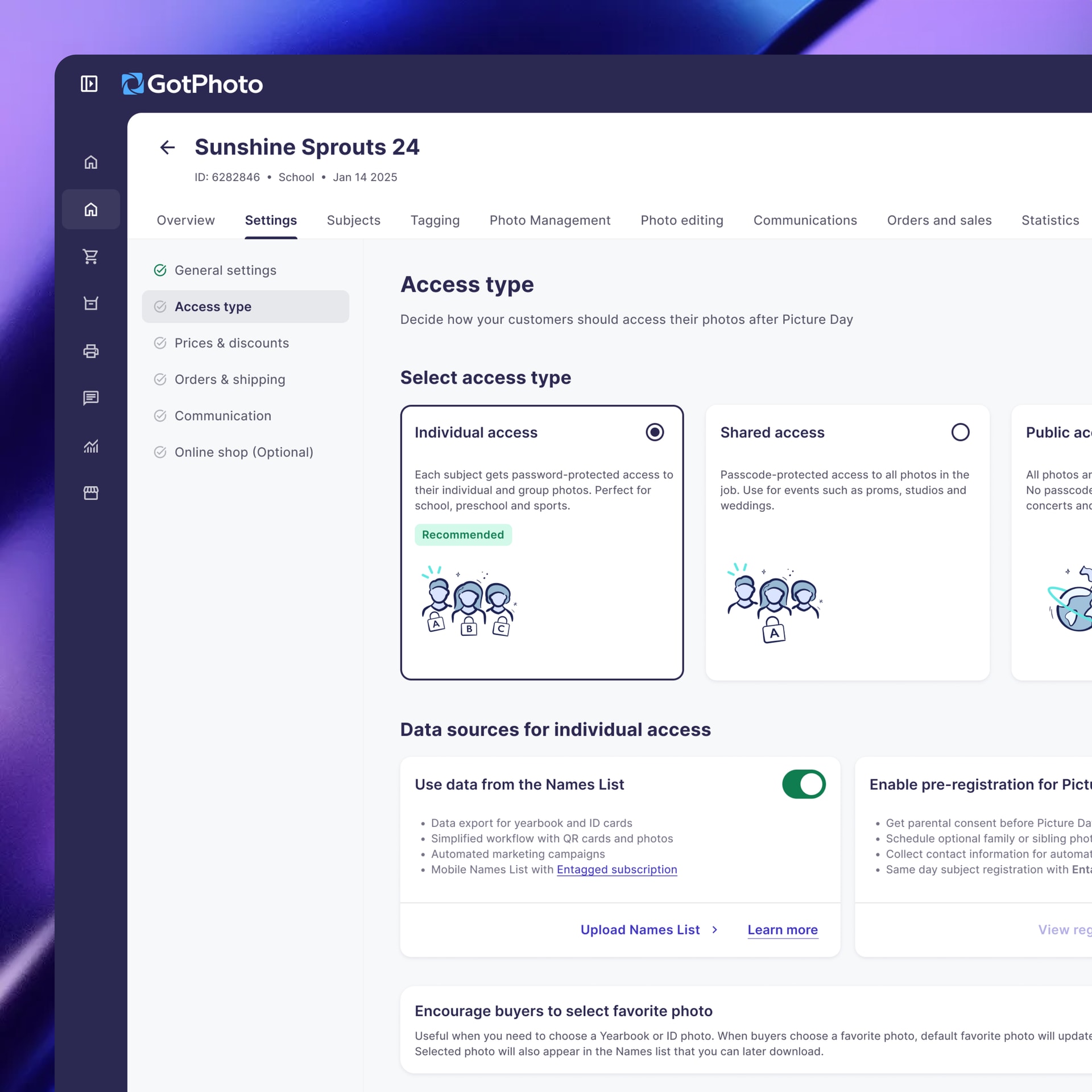
A floor-plan-based layout strategy was introduced to define consistent page archetypes. This reduced cognitive load, established a shared structural logic, and enabled incremental redesign without fragmenting the experience.
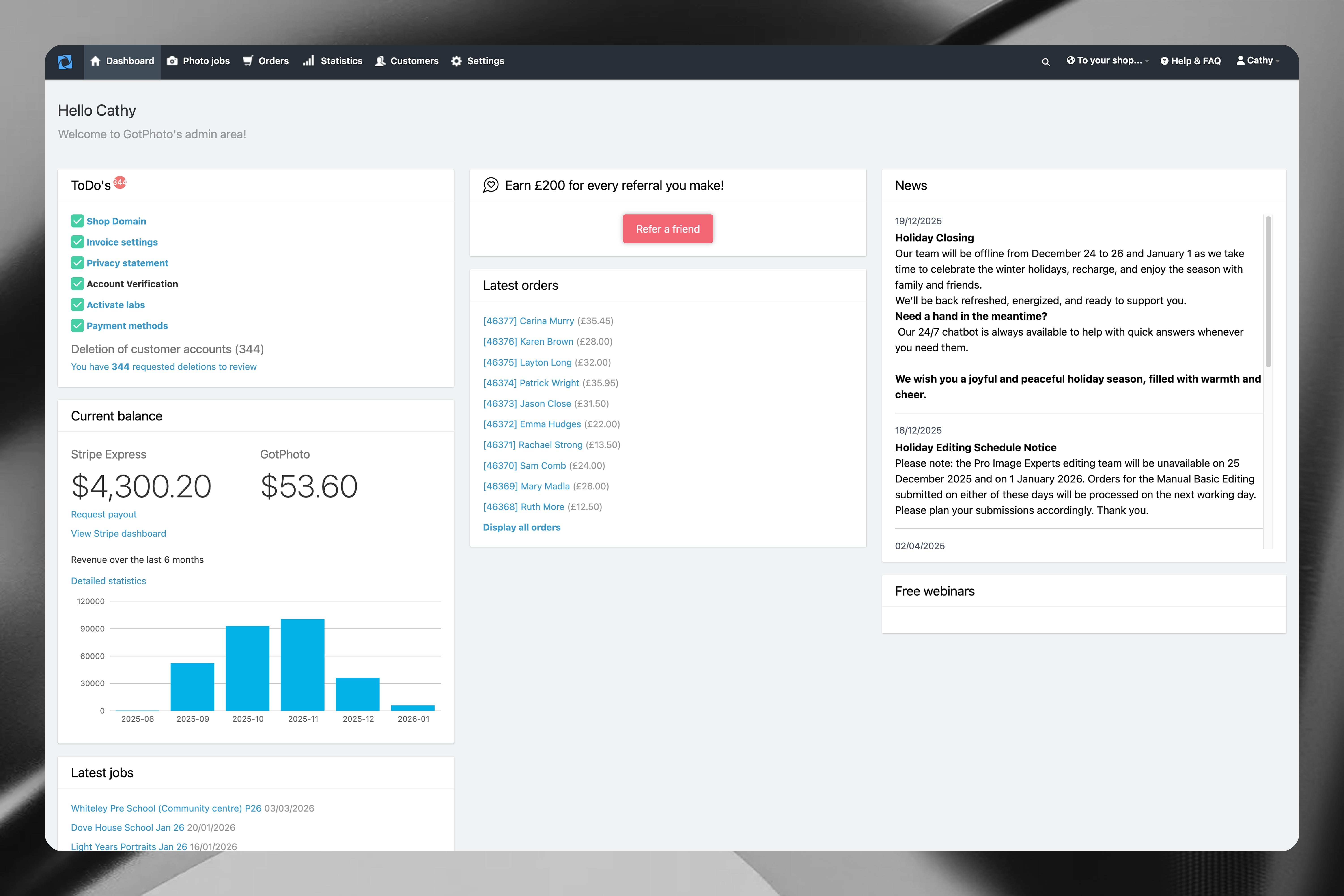
Dashboard as the anchor
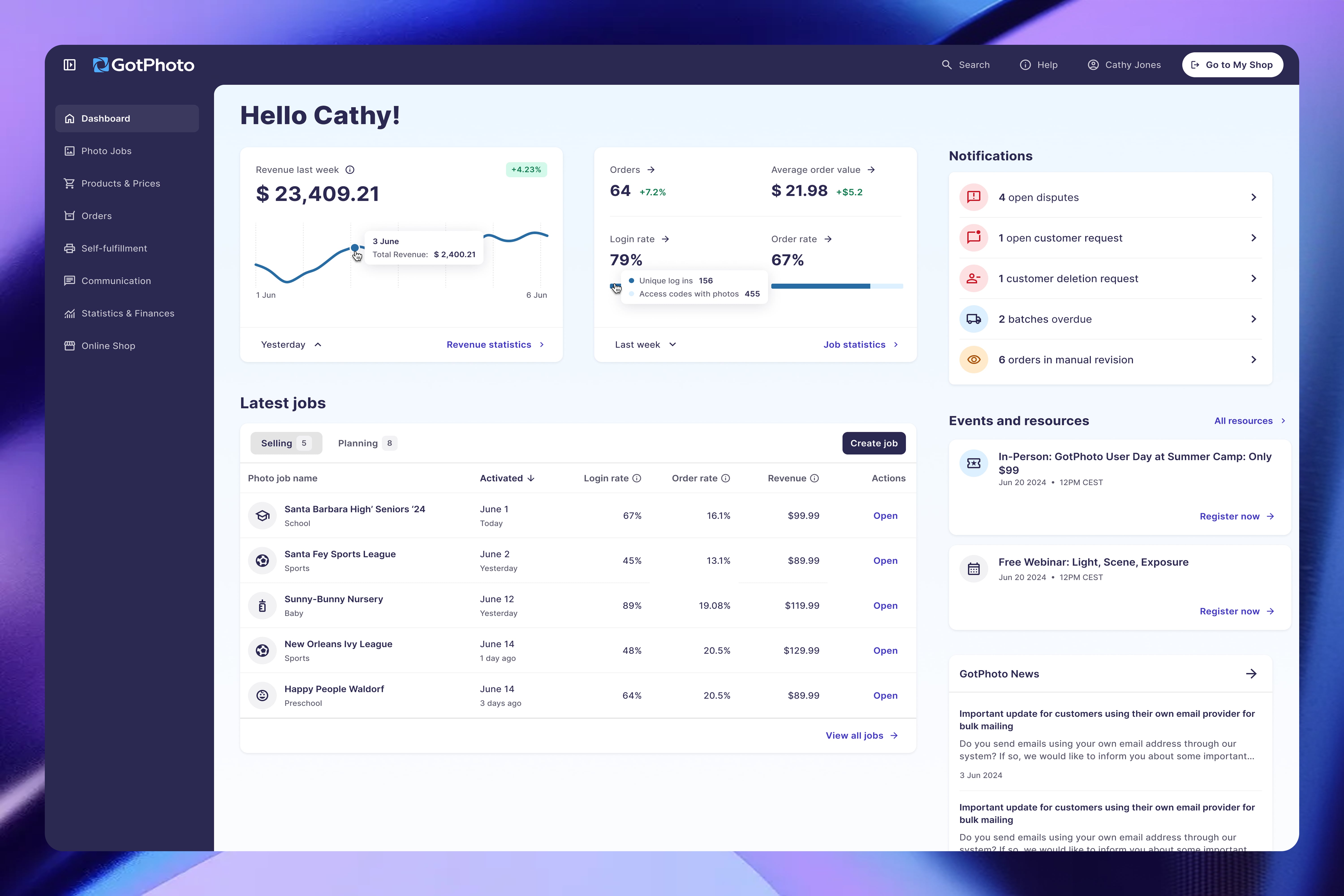
The dashboard served as the first fully redesigned surface, establishing hierarchy, layout logic, and the new design language. This created a reference point for subsequent pages and ensured visual and structural consistency.
Incremental rollout
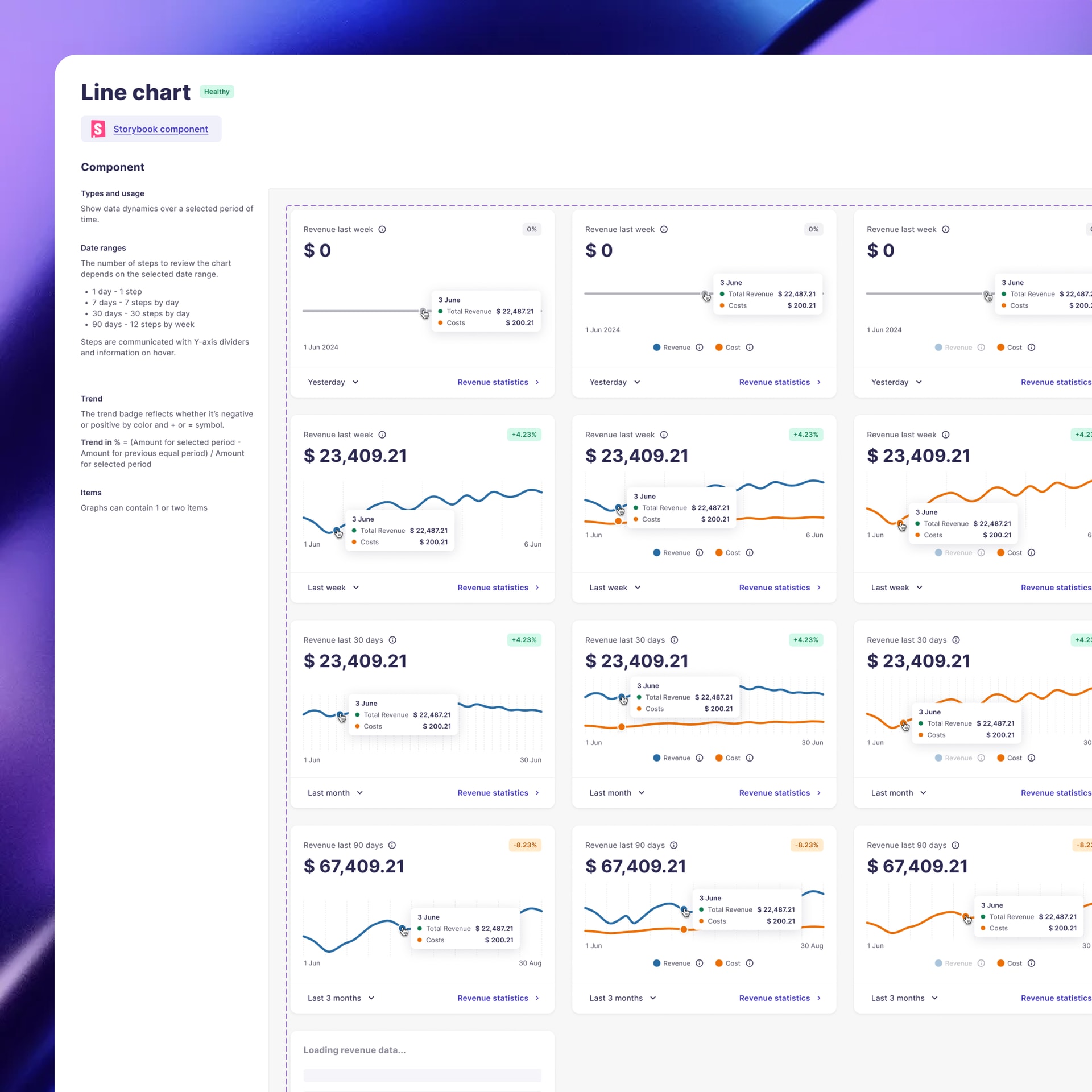
New layouts and components were introduced flow by flow, allowing organic adoption while maintaining continuity for existing customers. This ensured each page could receive focused UX attention without disruptive cutovers.
Execution
- •New global navigation and reshaped information architecture
- •Redesigned dashboard as the first anchor surface
- •Gradual rollout of new layouts and components across workflows
Team & Role
Team
3 Product Designers · 1 Product Manager · ~4 Engineers · 2 UX Researchers
Responsibility
End-to-end leadership combining strategic direction, stakeholder alignment, and hands-on design execution.